
Top 10 RBI-Approved Loan Apps in India (With User Trust Scores)
Finding a reliable way to manage a sudden cash crunch has become significantly easier for Indians in recent years. By…
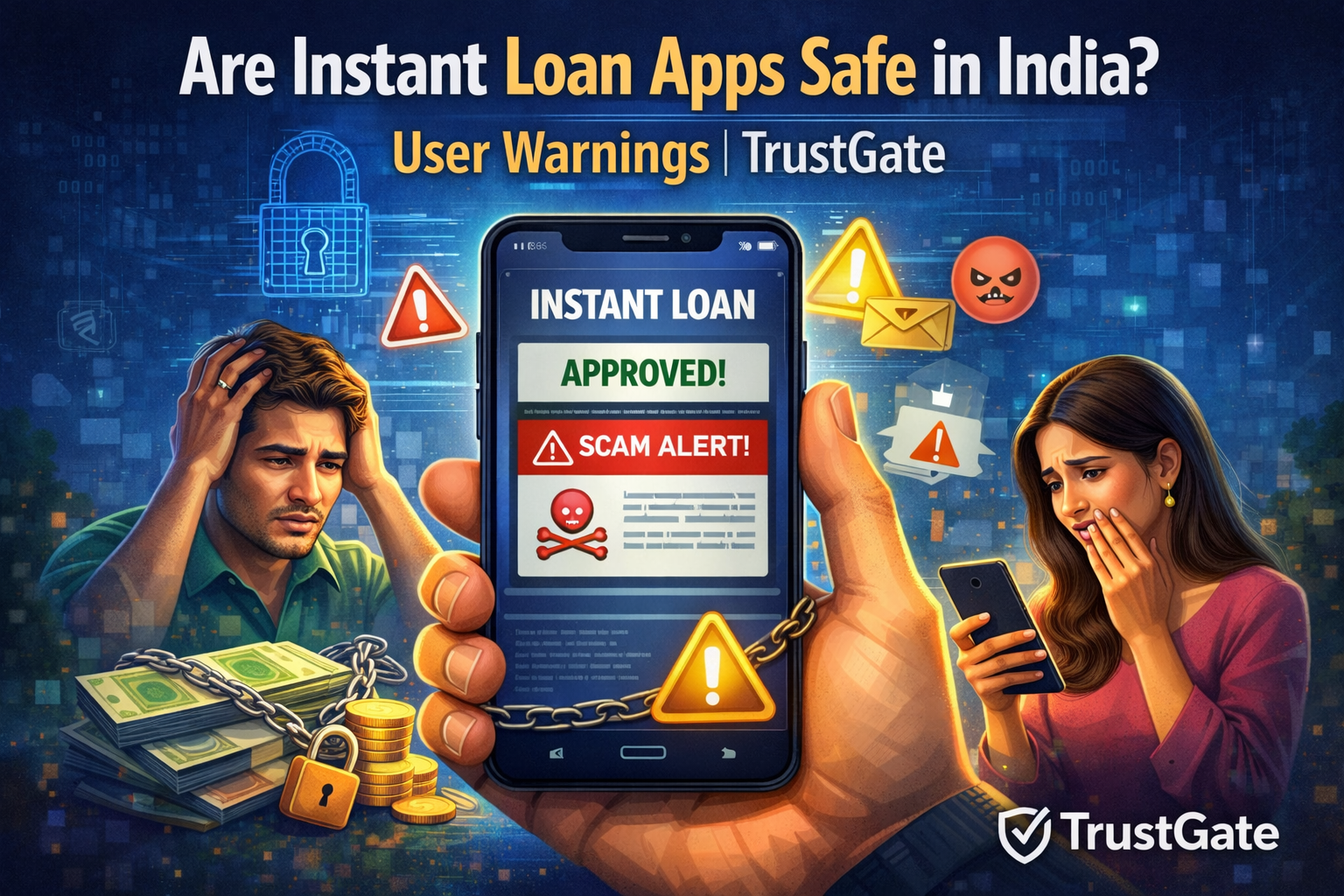
In an age where your smartphone is essentially a digital wallet, the promise of getting money in your bank account within minutes is incredibly tempting. Whether it is an unexpected medical bill, a sudden car repair, or just making it to the end of the month, instant loan apps have filled a massive gap in the Indian credit market. However, as the popularity of these platforms has soared, so have the risks. Many people find themselves asking a critical question: Are Instant Loan Apps Safe in India?
While there are many legitimate, regulated players in the market, the digital lending space is also home to several predatory entities. These apps often operate outside the law, using aggressive tactics and hidden charges to trap unsuspecting borrowers. Understanding the difference between a helpful financial tool and a dangerous trap is essential for anyone looking for quick credit today.
The traditional banking system in India has often been criticized for being slow and document-heavy. For a small personal loan, a traditional bank might require multiple visits, physical signatures, and a high credit score. Instant loan apps changed this by offering a completely paperless experience. Using just an Aadhaar card and a PAN card, a user can get an eligibility check in seconds.
This convenience is the primary “hook.” Most users are attracted by the speed of disbursal. When you are in a financial crunch, waiting three days for a bank approval feels like an eternity. An app that promises “cash in 10 minutes” seems like a lifesaver. However, this speed often comes at a high cost, not just in terms of interest rates, but also in terms of your personal privacy.
To answer whether a quick personal loan app is safe or not, we have to look at how these apps function on your device. When you install a lending app, it usually asks for a long list of permissions: access to your contacts, SMS, location, and even your gallery. While legitimate apps use this data to build an alternative credit score, fraudulent ones use it as leverage.
The safety of an app depends largely on its regulatory status. In India, the Reserve Bank of India (RBI) is the sole authority that regulates lending. Any app that provides a loan must either be a bank itself or have a partnership with a registered Non-Banking Financial Company (NBFC). If an app cannot clearly name its partner NBFC, it is a major red flag.
You can find more details on how to identify reliable platforms in our guide on the best instant loan apps in India 2026.
The mechanics of these apps are designed for frictionless entry. The process usually involves:
The problem arises when the app is not registered. Unauthorised apps often skip the formal credit check and offer small amounts like ₹3,000 to ₹5,000 for a very short duration, sometimes just seven days. These are often referred to as “7-day loan apps,” and they are notoriously dangerous.
One of the biggest concerns for borrowers is the high Annual Percentage Rate (APR). While a bank might charge around 12% to 18% per year, several unregulated instant loan apps have been found to charge effective rates running into 200% to 300% once processing fees, short tenures, and weekly interest are factored in.
These excessive costs are often a warning sign of illegal operations. In fact, growing complaints around predatory pricing, harassment, and data misuse have led to increased regulatory action. In December 2025, the Ministry of Electronics and Information Technology (MeitY) blocked 87 illegal digital lending apps under Section 69A of the IT Act, targeting platforms that were operating without RBI-authorised NBFC partnerships and engaging in coercive recovery practices, according to reports by Business Today.
This enforcement highlights why borrowers must look beyond “instant approval” claims and carefully verify the legitimacy and true cost of any loan app before applying.
Privacy is perhaps the biggest “hidden” cost. Some apps have been accused of harvesting contact lists and uploading them to external servers. This data is sometimes sold to third-party marketers or, in worst cases, used by recovery agents to shame the borrower. If you are wondering, “Are loan apps safe,” you must consider that your digital footprint is the collateral you are providing.
The most common “loan apps harassment complaint” involves the recovery process. Unlike regulated banks that follow a strict code of conduct, illegal apps often employ agents who use intimidation. They may call your family members, send messages to your boss, or create WhatsApp groups with your contacts to announce that you are a defaulter. This social shaming is a tactic designed to force repayment of even the most unfair interest amounts.
Hearing from people who have used these services provides the best insight into which loan app is safe. Many users report that while the initial experience was smooth, the trouble started the moment there was a slight delay in repayment.
For instance, consider the experience of a young professional in Bengaluru who borrowed a small amount for a weekend trip. The app seemed legitimate, but after a three-day delay in the first EMI, he started receiving dozens of calls an hour. The agents had access to his contact list and threatened to send “defaulter” notices to his parents. This is a classic example of why checking for rbi approved loan apps is non-negotiable.
On the flip side, users of established platforms like Navi or KreditBee often report a more professional experience. These apps are transparent about their fees and follow the RBI’s Fair Practices Code. They might call for reminders, but they do not stoop to harassment or data misuse.
If you have had a similar experience, you can help others by choosing to submit review on our platform to alert the community.
Finding the safest instant loan app requires a bit of detective work. You should never take an app’s word at face value. Here are the steps to verify any lending platform:
The Reserve Bank of India maintains a directory of regulated entities. If an app claims to be “RBI approved,” they must list the name of their partner NBFC. You can go to the RBI website and search for that NBFC name. If it doesn’t exist, the app is lying.
Under the 2025 digital lending guidelines, every regulated lender must provide a KFS. This is a simple one-page document that tells you exactly how much you are borrowing, the total interest you will pay, the processing fees, and the final amount that will hit your bank. If an app hides these details until the last moment, stay away.
Safe instant loan apps will always have a functional website with a “Contact Us” section that includes a physical office address in India. Many scam apps only provide a Gmail address or a Telegram link for support.
To see how these apps compare to other business rating standards, check out our list of the top 10 website rating sites for small businesses in 2026.
If you find yourself being harassed by a lending app, remember that you have legal rights. In India, no recovery agent is allowed to call you before 8 AM or after 7 PM. They cannot use abusive language or contact your friends and family.
If you are facing these issues, here is what to do:
The safest loan apps in India usually share a few common characteristics:
The Indian government and the RBI have become increasingly strict with digital lenders. In late 2025, new rules were implemented to ensure that all data collected by these apps is stored locally in India and that users have the right to “forget” or delete their data once the loan is repaid.
Despite these regulations, the “is instant loan app safe” debate continues because scammers are constantly moving to new platforms. They often use APK files sent via WhatsApp to bypass the security checks of the Google Play Store. One of the most important rules for safe borrowing is to never download an app from a link; only use official app stores.
Are Instant Loan Apps Safe in India? The answer is yes, but only if you stick to the regulated path. The convenience of digital credit is a major benefit for millions of Indians, but it requires a high level of vigilance.
Before you click “Apply,” take five minutes to verify the lender. Check for an RBI-registered NBFC partner, read the user reviews, and never grant permissions that aren’t necessary for the loan. Safe borrowing is about more than just getting the money; it is about protecting your peace of mind and your digital identity.
Helping you navigate the digital lending landscape in India with clarity and confidence. Get answers to common safety concerns about instant loan apps.
Yes, instant loan apps are legal in India only if they are operated directly by a bank or in a formal partnership with an RBI-registered NBFC. Apps operating without proper authorization or partnership are considered illegal and pose a high risk to borrowers.
You can verify the app’s regulatory status by looking for its partner NBFC name on the official RBI website. At TrustGate, we recommend always checking for a Key Fact Statement (KFS) before disbursal, as legitimate apps are mandated to provide this transparency.
If you experience harassment, you should immediately file a complaint on the RBI Sachet portal. You should also report the incident to the National Cyber Crime helpline at 1930 or visit cybercrime.gov.in to ensure the predatory platform is flagged by authorities.
These apps can be a safe resource if you stick to regulated platforms, fully understand the total repayment cost, and ensure you can pay on time. However, unregulated apps carry significant financial and privacy risks, so thorough research is essential before downloading.

Finding a reliable way to manage a sudden cash crunch has become significantly easier for Indians in recent years. By…

In an age where your smartphone is essentially a digital wallet, the promise of getting money in your bank account…

Imagine this: It’s the end of the month, your car breaks down, and you need urgent cash for repairs. You…